“Welcome to your life. There’s no turning back.” Tears for Fears
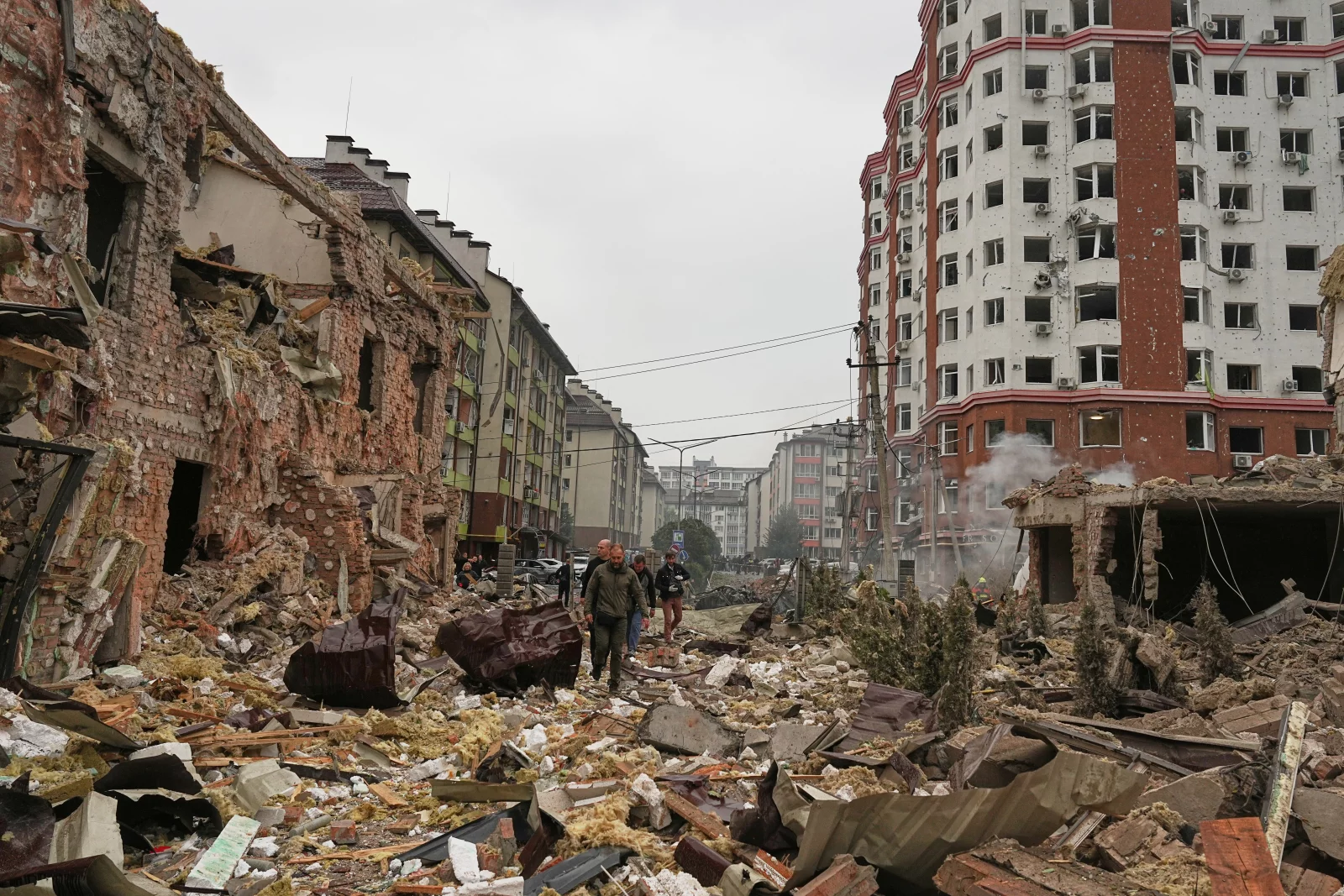
It’s 6:47 AM on my couch in Murray Hill when the Wall Street Journal notification drops down: “Is this your last chance to get rich before the American dream dies?” I don’t open it. I already know what it’ll say. The American Dream is dead, or dying, or was never really alive to begin with, or is somehow still alive in a mangled, whimpering kind of way and only for people who already have it. The article will cite wage stagnation against productivity gains, quote economists I’ve already heard from, showcase two or three panicked line-go-down visualizations. Someone commissioned it. Someone had to write it. Someone copy-edited it at three in the afternoon with a LaCroix on their desk. And thousands of us in thousands of apartments are receiving it right now, all leaning in for the ten-thousandth time to learn that we’re in Barney.
Not that I’m complaining. I love a good economic apocalypse with my coffee.
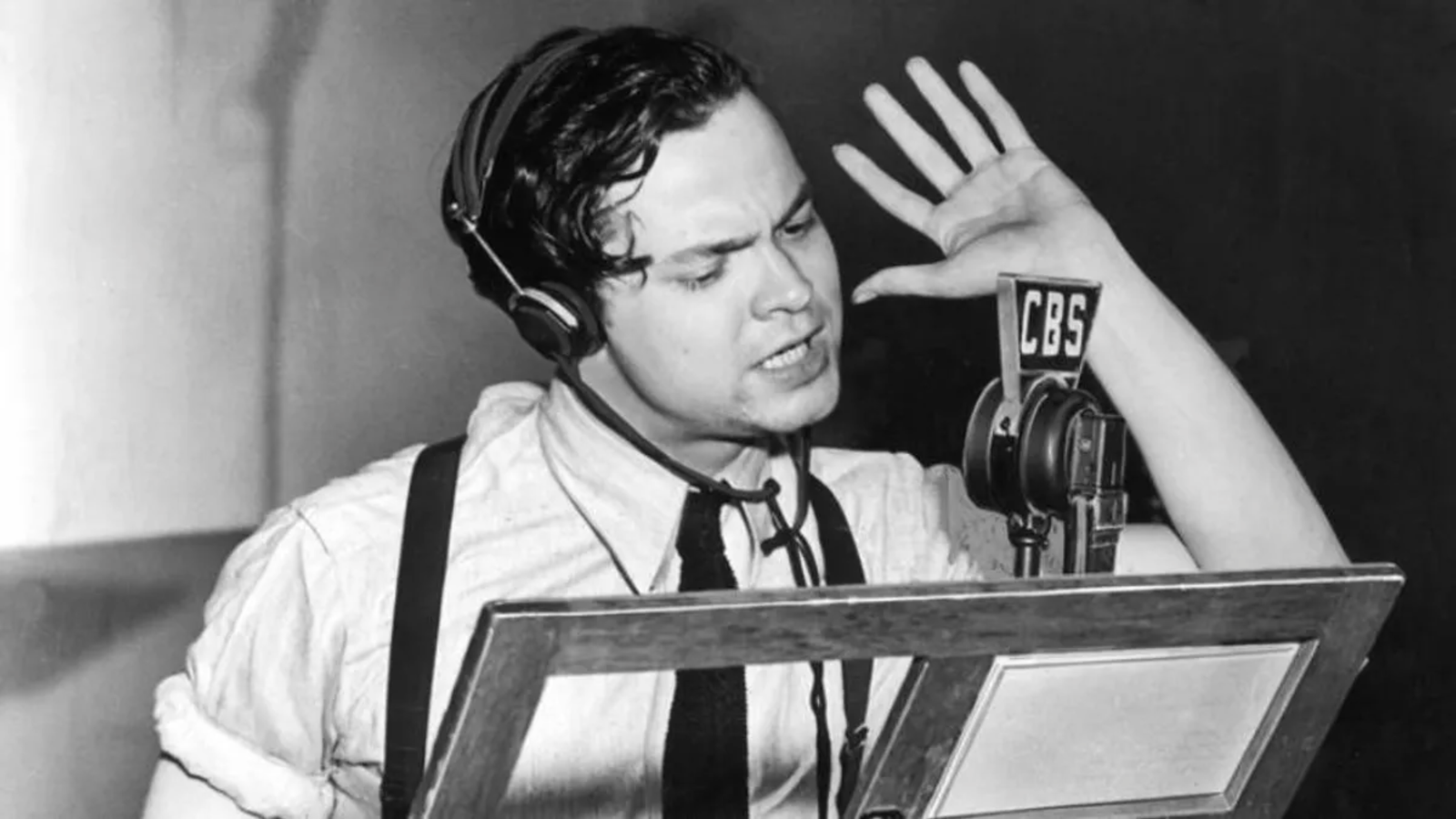
I swipe. Instagram serves me the Economist’s graph showing popular music is “getting sadder and angstier than ever”; the y-axis measures something called “negative valence” and the line descends to a little skull. Below it, Matt Damon explains that Netflix now makes filmmakers restate plot points three or four times in dialogue because viewers can’t stop scrolling long enough to absorb anything. “They’re not even watching anymore,” he says. I realize I’ve watched this clip twice before.
I keep scrolling; what else would I do?
Shouts & Murmurs: a hermit woman watches her life unfold through her Ring doorbell, one delivery at a time. Chewy. Amazon. HelloFresh. The only human contact is the UPS driver’s back retreating down her driveway.
Bloomberg: “Young men are less employed and more lonely than ever.” Three charts follow about the rising efforts to buy a house, raise a kid, and retire on time.
Through my window I hear chanting. Columbia undergrads three blocks away, loud enough to rattle the glass. Something about divestment, injustice. Status quo.
I pull up LinkedIn. Even Harvard MBA grads are living paycheck to paycheck with six-figure salaries. Hmm, Stanford too. In fact, they say that the mango-smoothie nap-pod $400k salaried social class has been usurped by a new wave of rise-and-grind AI-enabled yeoman tech workers, scrambling to escape the “permanent underclass.” Someone in the comments says not to panic because we’re about to witness an $84 trillion wealth transfer anyway.
I flip to Twitter. A discord group of “moon-platoon degens” made and lost $370k in eighteen hours on a Charizard token rug pull.
Below that, the algorithm serves me a clip from Subway Takes: a woman on the 2 train with a ventriloquist dummy on her lap. The dummy says her thoughts aren’t her own anymore because of the endless scroll. The woman nods, solemn. Like kind of satire but not really.
I set my phone face-down on the coffee table. This week’s copy of Harper’s came in the mail yesterday.
Headline story: somewhere on Polymarket, traders made 5% betting against the Second Coming of Jesus Christ in 2025. I suppose that means someone put actual money on the Rapture.
I look at my watch. 6:53 AM. Time to head in for another great day at the office.
Years of this. The scroll, the swipe, the ambient catastrophe delivered in Helvetica. The morning ritual of learning, again, that everything is broken and nothing will fix it and we’re all complicit and also powerless.
I’ve been thinking about what it actually does to you. Not the anxiety, not the attention span; everyone’s written that article. I mean something weirder. Because the numbers are real. The graphs are real. The loneliness statistics are probably accurate. But after enough mornings like this one, reality starts to feel…thin. Flat. Uniform resolution. Everything weightless. There are no stakes because there’s nothing all that desirable ahead, apparently. There’s no pressure because our standards are through the floor. Achievement is becoming synonymous with malevolence. Dignity has become passé. There’s no line between what matters and what doesn’t.
I could pick a big potted plant on Park avenue way, way up over my head and hurl it against the building facade with an ugly yawp. A few heads would turn, and I’d step into the subway no different.
I’m struggling to understand what this world is all about. What’s the plot? I’ve been asking myself for over a decade, and I’m still just trying to figure out what role my life is going to play.
…
The other day, my girlfriend showed me a photo. Something she’d taken at a friend’s apartment, a close-up of a cat’s paw making a fist against the carpet. She was excited about it. I could see that she was excited. I said something monotone like “that’s spectacular” but I meant it, fully, deep down. The truth is I felt myself starting to look at it the way I look at everything now. The same way I looked at the WSJ notification. The same way I looked at the loneliness statistics. I registered it and moved on. And I felt her notice.
She does that sometimes. She’ll be telling me about something she saw, some detail in the grain of a piece of wood or the way light was hitting some ice, and I notice she’ll see me half-listening but smiling.
I thought about that for a while after.
Just continuing to exist day to day. One stimulus to the next.
Of course, as a very lucky lad to be living in New York, I get to dream about escaping it every once in a while. These days, my rods and cones are firmly adapted to CMYK. My fridge is stacked with quaintly prepackaged microwavable meals. I rarely see the sky. But this past summer, I got to visit my girlfriend for her final week of medical research in Peru. Ancient ruins, alpacas, yams, and yarns. Splendid, indeed.
We flew to Cusco for the final leg. From the plane I could see tiny villages and rolling grass mountains, a whole Nintendo landscape so fantastic my nose and lips actually touched the glass. Yech.
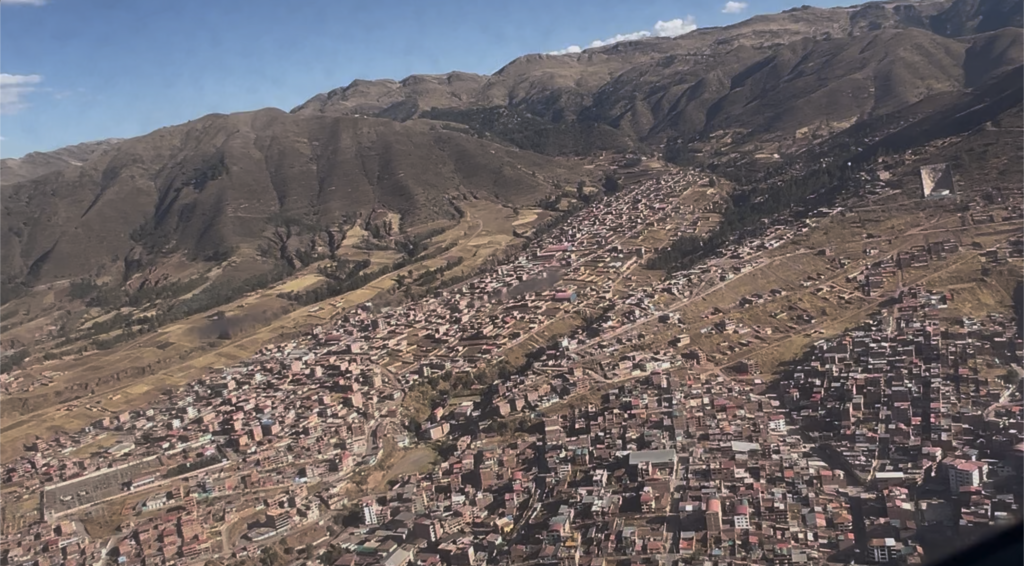
We left our rinky-dink plane behind and found ourselves in an entirely different place. The sun felt close. The altitude tasted like freezer burn. The streets were lined with ramshackle brick row houses interspersed with fortresses of massive pale stone blocks decorated with a sort of Pan’s Labyrinth symbology that only aliens can read. I reached into my pocket for my camera. It was right where I left it, right next to where my passport should have been. My passport.
…
My flight to JFK would depart in 78 hours.
I’ll let you imagine the next ninety minutes.
The thing of it is, to get a new U.S. passport in Peru, you go to the embassy in Lima. Getting to Lima requires either a flight or a 22-hour bus ride through the Amazon jungle– where they filmed Anaconda. So, thanks to some heroic efforts by my girlfriend, I found myself at the doors of the local police station. The lights were off. The floor was metal and the whole room had that WWII museum submarine smell. The officer behind the desk looked about nineteen and had a mustache maybe three weeks into its journey. I spent about an hour miming the concept of “American embassy in Lima, very far, flight leaving soon.” He gave me a printout of something, then shrugged. “No tienes suerte, chico.”
I gave him a big grazie and a bow, and thundered back down the metal stairs.
Outside, the air hit me again, thinner now. Blood beating in my ears, I had no company, no cash, no identity, and no cell service.
For a full day.. I was anyone.
All morning I’d been trying to solve the problem, calling, messaging, strategizing, and at some point the problem stopped being solvable, and I gave up being the person trying to solve it. I was just meat and bones on a rock wall across a courtyard from a cathedral that could’ve been five thousand years old.
The stones were massive and pale, fitted together without mortar in a way where you couldn’t imagine how human hands possibly moved them. Groups of tourists drifted around the square in front of me like broken pieces of seashell and crab claw at low tide. You can tell it’s loud over there, but it’s quiet over here.
Still. For a moment at least.
A woman walked toward me with an alpaca. They were both dressed in ceremonial garb, bright woven textiles, geometric patterns, little bells that jingled when they moved. The alpaca even had its hair styled. The whole presentation was truly fabulous, like if someone made a Muppet of a shaman. The woman caught me looking and changed trajectory, heading my way with a smile I recognized as transactional. She was going to ask me to take a photo, and then she was going to ask for money, and I didn’t have the Spanish to explain myself.
I looked down at my hands until she passed.
The light hitting the church changed. Late afternoon, everything golden. Shadows moved across the stone. I was aware, suddenly, of how quiet my mind was. So quiet that the scrape of my shoe on the gravel startled me.
I noticed the imprint of the grain of the stone on my palms. The way the little pebbles of sand clung on. Millions of years of journeying to get lodged in my thumb.
The moment didn’t last long. Through some miracle involving frantic WhatsApp messages, panicked Spanglish at the Cusco Kinko’s, and sleight of hand with a gate agent, I got on a flight to Lima that evening, got an emergency passport the next day, and made it home just a few hours before my girlfriend.
Back to business.
She came back renewed. She had a thousand photos and wanted to show me every one. The terraces, the stonework, a man she’d met who’d been tending the same path for thirty years or maybe three hundred. She noticed things I would have walked right past. The views through rows of ancient windows. The quirk in an alpaca’s mood that morning. How thin air changes what grows. She’d spent three days looking at everything and everything had looked back at her. But that’s what she does. She’s been becoming a doctor for as long as I know. She looks at living things the way a doctor does: thoughtfully looking over the whole system and seeing every little piece. Caring for it dearly.
I scrolled through her photos on the couch that night and they were good, they really were, like I was magically looking through her eyes rather than at just some picture, but I was also halfway thinking about what I needed to do at work Monday.
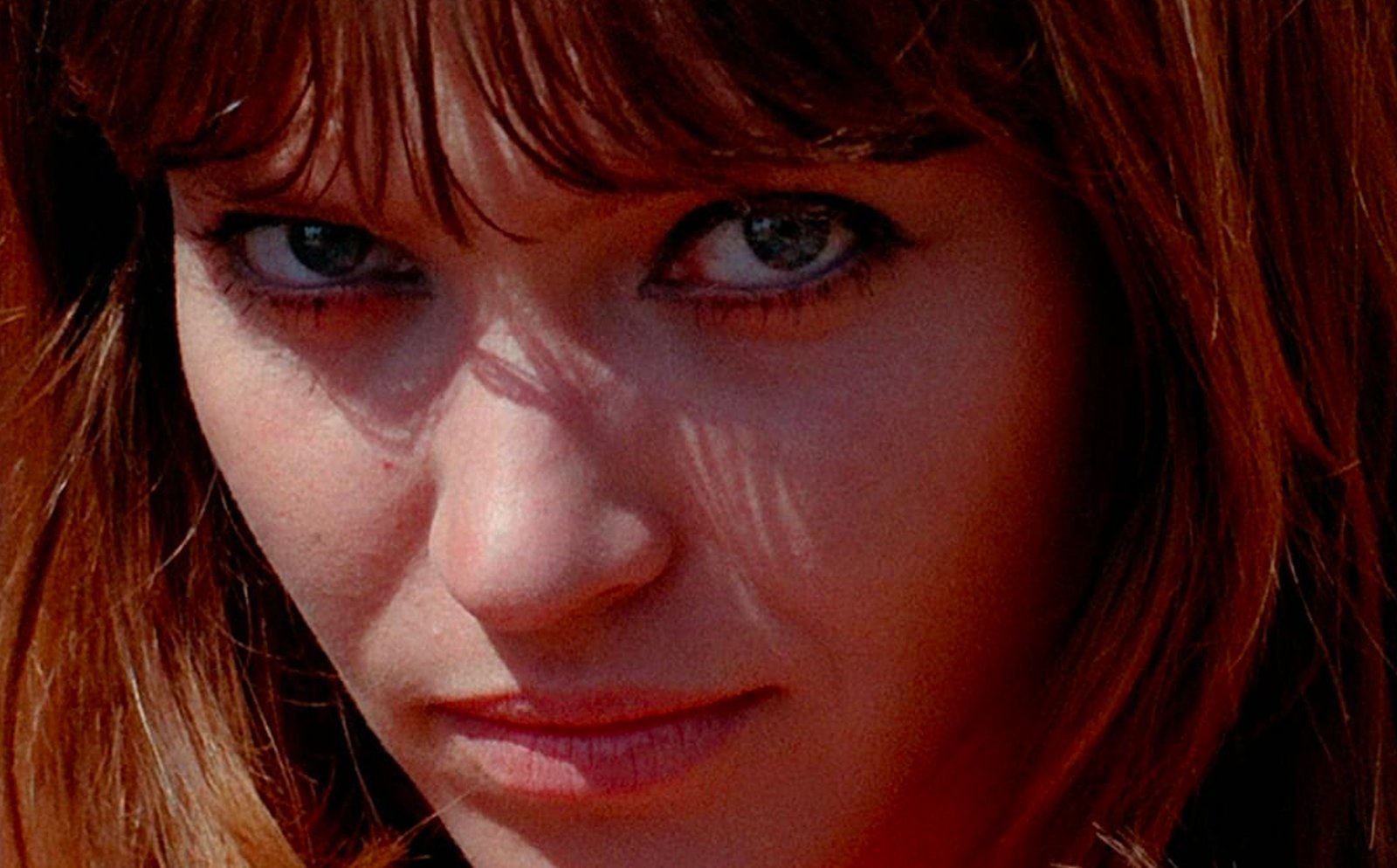
A few weeks later, splayed out on my couch surrounded by glorious pea-soup-thick WiFi, I found my way through the algos to a movie called Pierrot le Fou. French, 1965. Two criminals running from the law and trying to be in love. I’d never heard of it. The thumbnail showed a woman in mod makeup staring directly at the camera with a curious expression.
I clicked.
They’re hiding on a small island somewhere in France. A picnic table under the sun. The light has that specific quality of European summer in the sixties with everything slightly overexposed. Then, there in center frame, a fox. Just sitting there. It’s quiet. Then she turns to face the camera directly for a moment, her eyes lined with that prototypical mod mascara, and she just holds the gaze. Just looking.
Take a moment and stare back at her.
Think about what had to happen for this scene to exist. This isn’t a movie about the 1960s. This is the 1960s, captured on celluloid that was baking in the sun somewhere in France after slipping through Jean-Luc Godard’s velvety hands. There’s no ASPCA here. No OSHA. No luxury SUVs on standby with Evian bottles and craft services. No one worried about optics or liability or what the internet would say.
She just looks into the camera and you see her. Completely unadulterated.
Think of the size of her world at that moment. Think of everything she doesn’t know. All the expectations she doesn’t have.
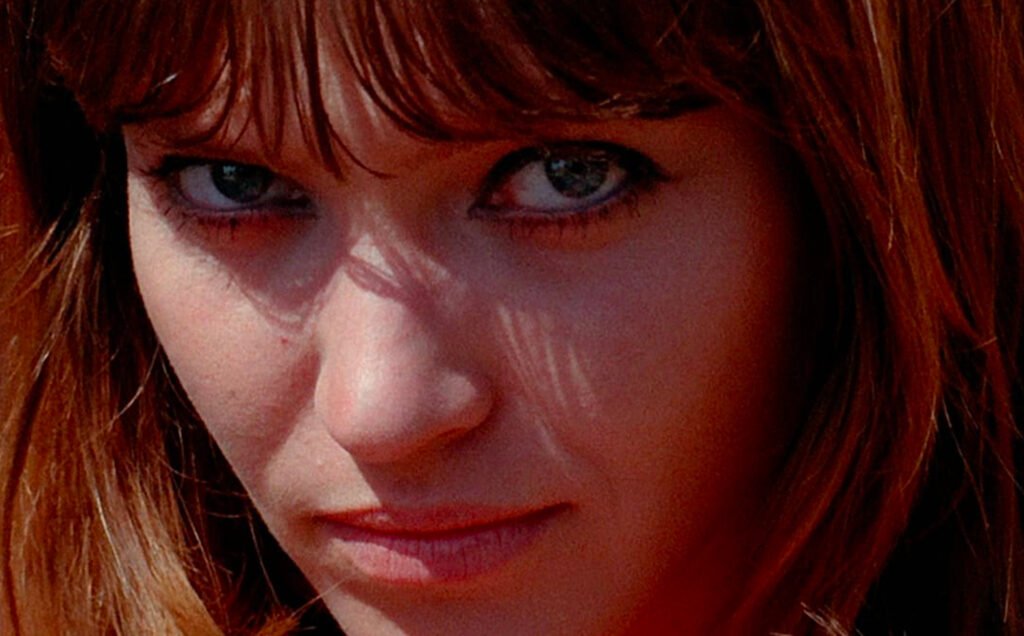
I watched this scene maybe five times.
There was that thing again. The cathedral wall in Cusco. This scene. They had the same unnameable quality. My girlfriend would have known what it was. She’d have said something simple and exactly right, the way she does. I just knew I wanted more of it and didn’t know where to look.
Not long ago, I discovered Mubi, a version of Netflix for the kind of odd unknown films my dad would sometimes watch and I would curiously try to understand. Films that would never float to the top of an algorithm. A forty-minute time lapse of Danish kids playing on a treehouse over several seasons. An Iranian boy who steals a tourist’s notebook and chases him down to return it. A drag-ball community in Harlem competing for local trophies.
They offer premium showings in theaters. I figured here’s something to actually get me and my girlfriend out of the apartment. Thursday night, Gasoline Rainbow, IFC Theater right by NYU. The synopsis said something about teenagers driving across Oregon looking for the ocean. It had that quality certain indie films have where you can’t quite tell if anything will happen, but you suspect the not-happening will be sort of the point.
Thursday came. I rushed to finish work, ran from the World Trade Center to snag the last electric Citi bike on the rack, and biked up the river walk at Olympic speed. I pulled up near the theater out of breath. The usual chess hustlers were in attendance, the usual NYU students sprawled about, the usual guy playing Coltrane on a saxophone that might have been new when Coltrane was alive.
All sounds stopped, there she was. Like an angel who could rescue me from the depths of hell (I love the movies). Got our tickets. Found the door. Rushed in. And stopped. The theater held maybe twelve people. Right up close to the screen, like someone’s living room. The intimacy was almost uncomfortable. I could hear people breathing and even identify their throats individually. Far worse, we’d smuggled in the world’s most crinkly, most impenetrable bag of chocolate pretzels. A bullet couldn’t get into that bag.
The movie was about real high schoolers who drive to the ocean after graduating, more or less just for the sake of it. There’s no script you could write that captures the way actual kids talk to each other in a car at 2 AM: the bravado layered with tenderness and insecurity, the nonsense that’s actually kind of profound, the silences that aren’t awkward because nobody’s really performing yet.
They make it to the beach. All that’s left is to move on and officially grow up. They sit in the sand as the sun comes up and their fire dies down to coal. “Changes” by Antonio Williams starts playing and each kid stares right into the lens, one by one. Face paint. Glitter. Bags under the eyes.
We stayed in our seats while people filed out. Listened to the whole song.
Outside, the night was still warm and the marquee spilled white light over the block around us. I gave her a big kiss and a haggard-looking guy hyped us up from about twenty feet away. We laughed and headed to MacDougal Street. We said a spell and tore open the bag of pretzels on a rusty nail and found a place to stand on the sidewalk for a gyro. She said, “So, what did you think?”
I didn’t have words for what I thought. I had something else. For a few more bites, I could still feel the stare. The sense of it was in me.
Three times now. The cathedral wall. Karina. Those kids. The same thing each time, and I still couldn’t say what it was. Only that it felt like the opposite of the scroll. Where the feed showed me everything at the same flat resolution, these moments had a quality of… depth isn’t the right word. Aliveness? Like the surface of things had thinned out and something behind it was showing through. Maybe the noumena? Maybe the monad?
After Gasoline Rainbow I tried to see things a little differently. Some days it worked. Biking through Central Park, racing a summer rainstorm, failing and running soaking wet into Es Devlin’s exhibit at Cooper Hewitt. Reading about the punk era in an East Village cafe and getting recommended Gary Indiana by a passerby with leather clothes and leather skin. Some days the grain of things would come through and I’d feel it, the texture, the aliveness. Other days I’d bike the same route and just be thinking about work.
But the looking that changed something in me was reading. Actual, full-blown, coffee-stain paper-cut reading. Sitting down with someone’s life’s work and realizing what it looks like when a person gives everything to one thing.
I was reading a Tom Ford interview one night, late, the kind of reading you do when you’re not trying to learn anything and end up learning everything, the secrets of the universe and more. He was meandering on about about his backstory, I was falling asleep. Then he said something like, “You develop your taste at around ten years old.”
I set the phone on my chest and stared at the ceiling.
Ten-year-old me. Chicago suburbs. The dawn of YouTube. Green Day and Paramore and Eminem. The iPod touch. Transformers in theaters. Punk’d on MTV at midnight. Planet Earth and Mythbusters and Dirty Jobs on channel 47. Windows Vista. It was a moment when culture was both pre- and post-digital, when you were still lucky to be able to find something even with the help of technology.
Ten-year-old me didn’t scroll. Ten-year-old me watched the same Jackass DVD extras sixteen times and built a whole world out of the bits. Imagine a life on the road with all of your friends all the time. Skateboarding down Venice Beach dressed like an Oompa Loompa listening to the Misfits. Running through Tokyo in big panda suits. Of course, that was back when my eyes still saw in full range color. Back when I didn’t have to choose what to look at because everything was new, and I just looked at whatever was in front of me, fully, without negotiating with myself about it.
All these influences pass in and out of my life, usually leaving some kind of mark. Tom Ford built an empire from what his ten-year-old eyes saw. David Lynch meditated twice a day for fifty years and made movies that feel like transmissions from the great beyond. Marco Pierre White, the youngest chef ever to earn three Michelin stars, burned himself for decades in kitchens because fine food, as he put it, was about ambition and romance. Even Johnny Knoxville: he found the thing that made him feel alive and he did it until his body broke, I’m pretty sure he’s still doing it.
They all found their thing. They all gave everything to it.
I lay there with the phone on my chest and the ceiling above me and the fridge humming, and I thought: I don’t have a thing. I have a job. I have a morning scroll. I have the ability, on certain days, to feel the grain of things when conditions are right. But I don’t have a thing I’m giving everything to. I don’t have the thing I’d burn myself for.
My girlfriend might not burn herself for medicine, though I haven’t asked. However, she’s been working towards this goal for as long as she seems to remember. When she looks at the world the way she does, the light on a building, the perch of a squirrel, the source of a pain, it comes from a certain place.
But ten-year-old me didn’t have a thing. Karina didn’t have a thing. Those kids on the beach didn’t have a thing.
But that must be it. I want one. I want a real pursuit. A body of work. Ideas that inspire others to want to work with me. I want to create something that’s never been imagined. I want to bend your reality without you even realizing how it’s happening. I want to show people what’s great about being alive in the world.
Maybe the thing I’m thinking of is worship. Not in a Sunday-best kind of way, but as in giving your full attention to just one thing and letting it change you. It’s important, it costs you something, and you’re happy to suffer for it. Or maybe worship is what ten-year-old me did without knowing it, which is just being there, fully.
I don’t know which one I need. I don’t know if they’re even different. Maybe we’re all just completely crazy and hopeless wild animals.
It’s 7:14 PM now, and I’ve just looked up from my phone.
My girlfriend is standing over the kitchen counter. She’s wearing this vintage coat she loves, oversized, covered with Looney Tunes characters, Bugs Bunny and Tweety Bird and Road Runner in faded primary colors. She just refilled the bird feeder and even the separate wooden nut bar for her squirrel friends. She’s baking something for no occasion. A cake, maybe. I can’t tell from here. She tucks a strand of hair behind her ear and spoons flour into a pink plastic measuring cup, the kind that probably came free with something else.
The light from the window catches the flour dust in the air.
She hums something I don’t recognize.
She turns and sees me watching her.
“What?” she says, smiling.
“Nothing. Just looking.”
She goes back to measuring, humming. The flour dust settles. Tomorrow morning the feed will be waiting, and I’ll probably open it, and the world will go flat again for a while. But right now for a second I’m not trying to figure out what my thing is. I’m just here.
There’s the fox.